When we talk about life abroad for Nigerians, the conversation usually starts with a celebration. The “Japa” wave is literally everywhere you look right now. Your cousin just landed in Canada and posted a video of the snow. Your university friend shared photos standing brightly in front of the London Eye. Someone from your local church just announced they are permanently relocating to Australia. Every single post on social media looks like pure freedom. It looks like instant success. It looks like the perfect life that Nigeria simply would not give them.
On Afrokonnect, we have spent countless hours writing articles to help you achieve these dreams. We have published the complete UK visa guide, the Canada study visa guide, the Australia relocation guide, the Schengen work guide, the Dubai travel guide, and the US student visa guide. All of that information is highly valuable and very real. But there is a companion conversation that barely ever happens on Nigerian social media. This hidden conversation needs to happen more honestly today.
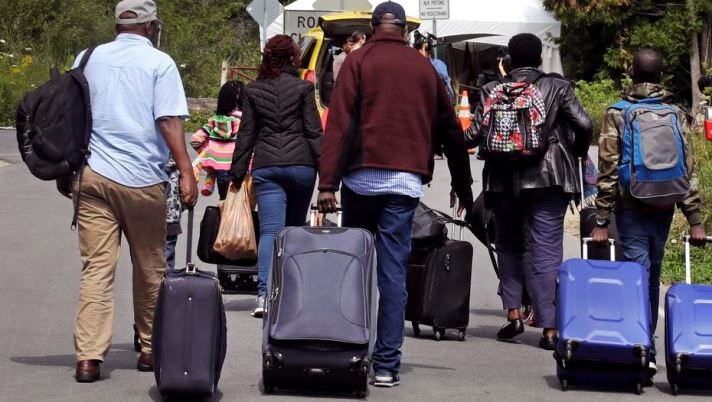
The hidden truth is that the reality on the ground does not always match the airport selfies. Over the last few years, tens of thousands of stranded migrants have returned home to Nigeria through the International Organisation for Migration and their Assisted Voluntary Return programmes. Thousands more have come back quietly on their own recently. Many of these returnees are hardworking people who simply found that the reality overseas was drastically different from what they had been shown on Instagram. This quiet return is happening at the exact same time as hundreds of thousands of other Nigerians are packing their bags to leave.
This article is absolutely not here to discourage you from traveling. It is simply here to tell you what the beautiful Instagram posts leave out. The person who goes overseas completely prepared for the full reality has a much better chance of succeeding than the person who travels expecting the filtered version they saw online.
What Nobody Posts About Life Abroad for Nigerians in the UK
The United Kingdom remains one of the most popular relocation destinations for our people. But what the posts of people standing smiling in front of Buckingham Palace rarely show is what their actual Monday to Friday schedule looks like. The culture shock of the work environment is something many are completely unprepared for.

Nigerian Man witnessing his first snowfall
A Nigerian woman based in the UK recently spoke to BusinessDay and described her experience with brutal honesty. She explained that upon her arrival, it almost felt like she had finally made it in life. It was not until the reality of paying monthly bills and having to stand up for herself kicked in that she woke up. She noted that no one advises you to brace yourself for the sheer amount of physical and mental hard work you have to put in just to make ends meet.
Another Nigerian who relocated to the UK with her family shared a similar story. She explained that they lived in a single cramped room within a shared flat for a very long time. Her first job was working as a caregiver in a care home for elderly people. She mentioned that many people back home thought they were extremely rich because of the massive exchange rate gap between the Pound and the Naira. However, the raw truth was that even with the combined income of her husband, they found it incredibly hard to survive the first year.
The job market can be unforgiving for new arrivals. Some Nigerians in the UK work as hospital volunteers just to gain local experience. Some take on roles that involve supporting grieving families whose loved ones have passed away. Others work as security guards, office cleaners, and night shift shelf stackers in supermarkets. They take whatever legal work their immigration status allows while they build toward something better in their chosen careers.
It is also worth noting that the UK immigration rules have changed significantly recently. For instance, care workers and students on certain visas face new restrictions regarding bringing dependents with them. This policy shift has completely altered the plans of many families hoping to relocate together and share the financial burden.
This does not mean the UK is a bad choice at all. Many of our people in the UK are doing extraordinarily well. But the ones who are truly thriving are overwhelmingly the ones who went fully prepared. They had a clear plan. They had solid savings. Most importantly, they were not expecting the exchange rate advantage to translate immediately into a comfortable life.
The Financial Reality of Life Abroad for Nigerians
When people look at the UK or Canada salary figures and convert them to naira on their phone calculators, the numbers look absolutely incredible. Earning thirty thousand pounds sounds like you have become a millionaire overnight. But what rarely gets calculated before departure is what that same salary disappears into every single month. Converting foreign currency to naira is the biggest trap new immigrants fall into.
Let us look at the actual numbers for London right now. A basic single bedroom flat in an outer borough costs between £1,200 and £2,000 per month. If you decide to rent a single room in a shared house, that will run from £600 to £1,200 per month. Public transport using the train and bus network will cost you between £100 and £150 per month with an Oyster card.
Groceries for one person run between £200 and £400 per month depending on your eating habits. And if you want to eat African food, prepare to pay a premium. Buying yam, plantains, palm oil, and proper Nigerian spices in places like Peckham or from specialized African grocery stores takes a huge chunk of your budget. Then you have council tax, which is typically between £100 and £200 per month.
Do not forget the hidden costs. You have international phone calls to check on your parents. You have the pressure of sending money back to family in Nigeria. You have utility bills, internet subscriptions, health related costs, and the mandatory need to buy heavy clothing for a very cold climate.
A Nigerian on a standard graduate salary of £28,000 per year takes home approximately £1,950 per month after the government deducts tax and National Insurance. In London, that entire salary can be completely consumed by rent, transport, and food, leaving almost nothing in your savings account at the end of the month. People in this situation often find themselves forced to work second jobs or take on exhausting night shifts just to stay afloat. All the while, they are sending photos of themselves in front of central London landmarks to people at home who assume they are living like royalty.
In Canada, the picture is strikingly similar. International students represent one of the largest categories of Nigerians entering Canada today. These students are charged approximately two and a half to three times what domestic Canadian students pay in tuition. A university programme that costs a Canadian citizen 8,000 Canadian Dollars per year can easily cost a Nigerian student 20,000 Canadian Dollars or more.
To make matters tighter, the Canadian government recently adjusted the working hours for international students. Students are now capped at working just 24 hours per week off campus during their academic sessions. On top of sky high housing costs, food inflation, and basic living expenses, many Nigerian students in Canada work the absolute maximum permitted hours alongside their demanding studies just to avoid falling into unmanageable debt. Surviving the harsh Canadian winter also means spending hundreds of dollars on specialized winter jackets and boots, which is a cost nobody warns you about.
The Emotional Cost of the Japa Decision
Financial struggles are one thing, but the psychological toll is something else entirely. Social isolation is one of the most consistent experiences reported by our people overseas, and you will almost never see this mentioned in social media posts. When you land in a new country, you do not automatically have friends. You do not have a built in community. You do not have people who naturally understand your background or your jokes.
You are literally starting from zero in a social environment that can be very cold and highly individualistic. Back home, you probably knew all your neighbors and attended weddings or naming ceremonies every weekend. Abroad, you might live in an apartment building for two years and never learn the name of the person living right next door to you. This sudden shift from a communal lifestyle to complete isolation can trigger deep depression for many new immigrants.
A Nigerian nurse who spent two years working in the United States told Punch Newspapers about her experience. She stated that despite earning a very steady and attractive income, the high cost of living coupled with extreme isolation and racism left her feeling completely unfulfilled. Racism is a harsh reality that many face abroad. Having grown up in a country where everyone looks like you and you were never in a racial minority, experiencing systemic bias or microaggressions at work can be a massive psychological shock.
There is also the crushing weight of family expectations. Once a Nigerian is known to be living abroad, the automatic assumption at home is that they have suddenly become wealthy. The requests start coming in almost immediately. People ask for help with school fees, medical bills, a sibling wanting capital for a business startup, or a parent dealing with a sudden emergency.
The person abroad is already struggling to pay their own rent and feed themselves, yet they feel trapped. They are caught between their difficult reality and what their extended family firmly believes about their financial status. Many end up taking out predatory loans or skipping their own meals just to send money back home to maintain the illusion of success.
The saddest part is the milestones missed. Some returnees have described the heartbreak of attending funerals for parents they never got to see alive again. Often, the cost of emergency flights back to Nigeria is simply too high, or their pending visa status makes international travel legally impossible. Aku, a returnee who now runs a successful short let apartment business in Nigeria, told Punch Newspapers about his clients. He noted that his guests were often Nigerians returning from overseas specifically to bury their loved ones, and they always expressed deep, heavy regret about the time they lost while chasing the dream.
When Life Abroad for Nigerians Actually Works
The relocation story is not uniformly negative, and it would be unfair to paint it that way. Countless Nigerians overseas are genuinely thriving. They are building incredible careers, buying beautiful properties, raising their children in excellent school districts, and creating a level of generational financial security that would have been far harder to build at the exact same pace back home.
Understanding what separates the highly successful ones from those who struggle for years is the single most useful part of this entire conversation. There is a clear pattern to their success.
First, they left with a concrete plan, not just a random visa. They knew exactly what job they were going to do before they boarded the plane. They knew exactly where they were going to live initially. They had a step by step timeline for how they were going to build their lives from that starting point. They were not just winging it and hoping for the best.
Second, they had actual savings when they arrived. Having a minimum of six months worth of living expenses saved up in the destination country’s currency before leaving Nigeria is the most practical safety net you can have. Those who arrived with almost no money were immediately placed under enormous, crushing pressure to accept any terrible job just to survive their first week.
Third, they traveled with a highly specialized skill that the destination country desperately needed. Healthcare workers, experienced registered nurses, software engineers, tech professionals, and certified trades workers in high demand sectors entered job markets that actively wanted them. They often secured skilled worker visas that provided immediate stability. This specific demand made their professional transition significantly faster and far less brutal.
Fourth, they maintained highly realistic expectations. They knew beforehand that the first year would be extremely hard. They expected the culture shock. They expected the financial pinch. Because they expected it, they were not completely devastated when the reality hit them.
Finally, they built their community deliberately. Nigerian communities, local churches, and social support groups abroad are arguably the most important survival systems for new arrivals. The ones who thrived found their people very quickly. They asked for help, they networked aggressively, and they learned the rules of their new environment from those who had successfully walked the path before them.
The Japada Movement: Why Some Are Choosing to Return
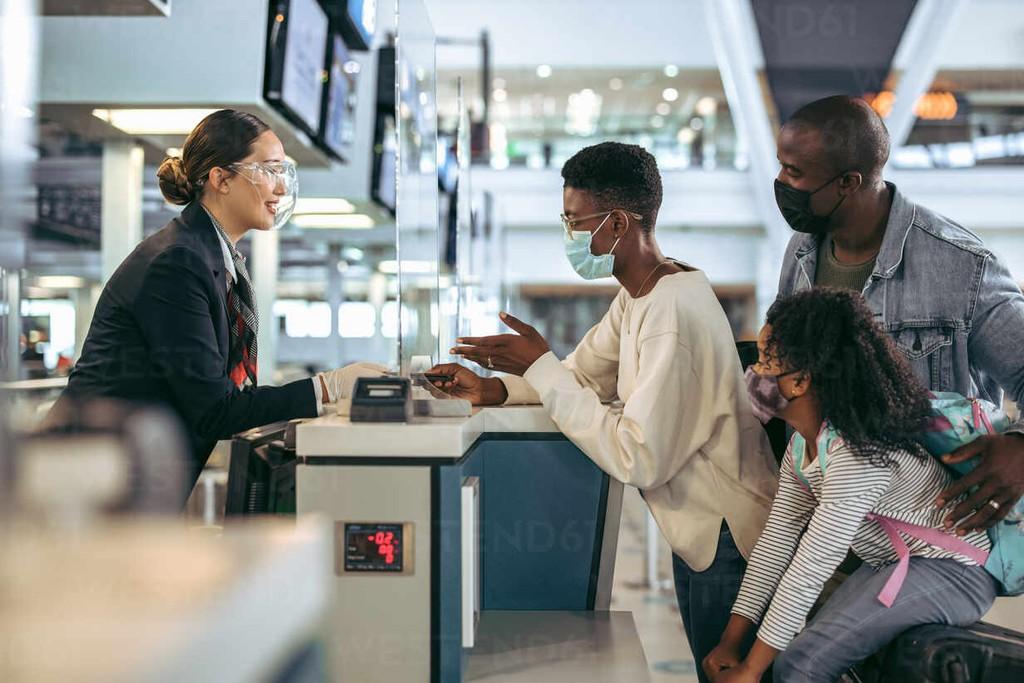
Something very interesting is happening right now alongside the main relocation wave. A small but highly visible counter trend called the “Japada” movement is emerging. We are seeing Nigerians who successfully built settled lives overseas actively choosing to pack up and return home.
Some British Nigerian families have recently sold their properties in the UK and relocated back to Lagos or Abuja. When asked why, they cite a strong desire for closer proximity to their extended family, a genuine sense of belonging, and a specific peace of mind that material comfort in the UK simply could not provide. They want their children to grow up understanding their culture firsthand.
Other returnees are coming back specifically to build businesses. They are using the exact same exchange rate advantage that drew them abroad in the first place, but they are now working it in reverse. They secure remote jobs or freelance contracts earning in Dollars or Pounds, but they spend in Naira. They serve a local or international market while living at a significantly lower cost than they could ever manage in London, New York, or Toronto. This gives them an exceptional quality of life back home.
We must be clear that this is not a mass movement by any stretch. The dominant flow of migration is still very heavily outward. However, it is a very strong signal that the decision to leave is not always permanent. It shows that for some people, achieving success overseas eventually brings a much more informed appreciation of the unique social and cultural benefits that home can offer.
Final Thoughts on Life Abroad for Nigerians
So, should you pack your bags and go, or should you unpack and stay? This is a massive life question that only you can answer for yourself. It absolutely deserves a brutally honest personal assessment rather than a rushed decision driven by what you see your peers doing on social media.
You should strongly consider going if you have a specific, highly demanded skill in your target country. Go if you have a concrete, written plan for your first twelve months. Go if you have secured enough savings to survive the turbulent transition period comfortably. Go if you have highly realistic expectations about what the first year actually looks like. Most importantly, go if you have a genuine, personal reason that relocating serves your long term career and family goals far better than staying.
On the flip side, you should strongly consider staying or delaying your plans if your primary reason for leaving is simply because everyone else seems to be doing it. Wait if you have absolutely no savings and your only plan is to figure things out when you land. Wait if your main motivation is the pressure to send money back home immediately. Take a pause if you have not yet built the specific skills or educational qualifications that will make you employable in your destination country at the professional level you are imagining.
The reality is that the Nigerian professionals who travel overseas and find massive success are largely the exact same highly driven people who would have eventually succeeded back home if the economic conditions had been slightly different. The core fundamentals of success remain exactly the same no matter where you live on earth. You need intense preparation, absolute discipline, valuable skills, and unwavering consistency. Changing your geography only changes the type of opportunities available to you. It does completely nothing to change the hard work it takes to actually capture those opportunities.
We have provided you with all the necessary visa guides on Afrokonnect. We have covered the UK, Canada, Australia, the Schengen zone, Dubai, and the US. We will definitely keep writing and updating those guides because having the right legal and travel information genuinely matters. But this specific article matters just as much, if not more.
Making the choice to travel with your eyes fully wide open changes everything. Knowing exactly what the first year will cost you emotionally and financially is a superpower. Knowing what the highly successful immigrants did differently gives you a blueprint to follow. Knowing that the decision is entirely reversible puts you in a vastly better position than the person who sold all their property simply because they saw a random airport selfie.
Wherever you eventually end up living, whether you choose to build your future right here at home or you decide to cross the oceans, make sure you are building something deeply real and sustainable for yourself. This brings us to the end of this honest conversation about the relocation reality for our people today, brought to you via Afrokonnect. Take your time, plan properly, and make the choice that truly works for your specific life.