Welcome to this post about How to Start a Dropshipping Business in Nigeria in 2026, via Afrokonnect. Imagine running a business where you sell products to customers, collect the money, and someone else handles storing the product and shipping it to the buyer. You never touch the product. You never pack a box. You never visit a warehouse. You just market, sell, and pocket your profit margin. That is exactly what dropshipping is.
It sounds too good to be true, but it is a legitimate, widely used business model that thousands of Nigerians are already using to earn money online. And in 2026, with Nigeria having one of the largest smartphone user bases in Africa and e-commerce growing faster than ever, the timing to start a dropshipping business has never been better.
In this guide, we are going to explain exactly what dropshipping is, how it works in a Nigerian context, the best products to sell, how to find suppliers, how to set up your store, and what it actually takes to make real money from it.
What Is Dropshipping?
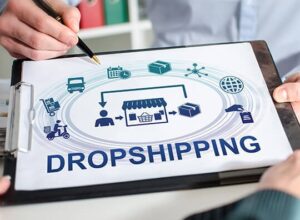
Dropshipping is a business model where you sell products online without keeping any stock yourself. Here is how the cycle works:
- A customer visits your online store and places an order for a product.
- You receive the order and payment.
- You forward the order details to your supplier and pay them at their wholesale price.
- The supplier packages the product and ships it directly to your customer.
- Your profit is the difference between what the customer paid you and what you paid the supplier.
The customer never knows that the product came from a third-party supplier. To them, they just ordered from your store and received their package.
You do not need a warehouse. You do not need to buy products in bulk before selling. You do not need large startup capital. What you need is a niche, a reliable supplier, an online store, and the ability to market your products effectively.
Why Dropshipping Works in Nigeria in 2026
Several factors make Nigeria a good place to build a dropshipping business right now:
- Nigeria has over 109 million smartphone users, which is one of the highest numbers in Africa. That means a massive pool of potential online shoppers.
- E-commerce adoption in Nigeria has been accelerating, with platforms like Jumia and Konga normalising the habit of buying things online.
- Many Nigerian consumers are moving from social media browsing directly to purchasing, especially on Instagram and TikTok.
- Payment solutions like Paystack, Flutterwave, and Moniepoint have made it easier than ever to receive payments online from Nigerian customers.
You can run a dropshipping business in Nigeria targeting local Nigerian buyers, or you can target international customers from the US, UK, and Europe and use a foreign supplier like AliExpress. Both models work, and each has its own advantages.
Local vs International Dropshipping
This is one of the first decisions you need to make, and it changes how you set everything else up.
Local Dropshipping (Selling Within Nigeria)
You find suppliers in Nigeria, usually wholesalers or manufacturers, who agree to fulfil orders on your behalf. You market the products online and when a sale comes in, you place the order with your supplier who delivers to the customer. The advantage is faster delivery times and easier communication. You can accept naira payments directly.
International Dropshipping (Selling to Foreign Markets)
You use suppliers like AliExpress or local US/UK wholesalers and sell to customers in those countries. Your store is based internationally, you earn in dollars or pounds, and you use services like Payoneer or Grey to receive your earnings in Nigeria. The advantage is higher profit potential because foreign customers generally have more purchasing power.
For most beginners in Nigeria, starting with local dropshipping is easier because you understand the market, you can resolve disputes more easily, and you do not need to worry about international shipping times.
Best Product Niches for Dropshipping in Nigeria in 2026
Choosing the right product to sell is the most critical decision in dropshipping. Here are the best niches working well in Nigeria right now:
1. Phone Accessories
Nigeria has one of the largest smartphone user bases in Africa. This makes phone accessories, cases, screen protectors, chargers, Bluetooth earbuds, and phone stands consistently high-demand products. They are affordable, easy to ship, and have a broad market appeal across every age group.
2. Beauty and Hair Products
The beauty industry in Nigeria is massive. Hair extensions, skincare products, makeup, lashes, and nail supplies are among the fastest-moving products online. Nigerian women spend significantly on beauty, and a well-targeted store in this niche can generate very consistent sales.
3. Baby and Toddler Products
Products for babies, including baby clothing, feeding accessories, baby monitors, and baby furniture, are always in demand. Parents are highly motivated buyers and tend to purchase quickly when they find what they need.
4. Fitness and Wellness Products
Gym equipment for home use, resistance bands, yoga mats, blenders for smoothies, and health supplements are growing fast. The fitness culture has grown significantly in Nigeria over the last few years, especially in urban areas.
5. Fashion and Accessories
Affordable fashion items, jewellery, bags, sunglasses, and belts move well on platforms like Instagram. The key in this niche is having good product photos and targeting the right audience.
How to Find Reliable Suppliers
Your supplier is the backbone of your dropshipping business. A bad supplier means delayed deliveries, poor product quality, and unhappy customers who leave you bad reviews. Here is how to find reliable ones:
For Local Dropshipping in Nigeria:
- Visit Alaba International Market in Lagos, Computer Village, or your local wholesale markets. Many wholesalers are open to dropshipping arrangements if you approach them correctly.
- Use platforms like Jiji, OLX, and Jumia vendor listings to identify Nigerian suppliers.
- Connect with manufacturers directly through their websites or social media pages.
For International Dropshipping:
- AliExpress: The most popular global supplier platform for dropshippers. Check product reviews, seller ratings, and shipping times before choosing any supplier.
- Alibaba: Better for buying in small bulk if you want to do a hybrid model.
- CJdropshipping: A popular alternative to AliExpress with faster shipping options.
Before committing to any supplier, test them by placing a small order yourself and checking the product quality and delivery time.
How to Set Up Your Online Store
You need a place to sell from. Here are the main options:
Shopify
Shopify is the most popular e-commerce platform in the world for dropshipping. It integrates with AliExpress through plugins like DSers, making it very easy to import products and automate your order process. It costs money to use, but if you are serious about scaling, Shopify is worth the investment. They also have a specific version of their store builder for Nigerian businesses.
WooCommerce (WordPress)
If you already have a WordPress website, WooCommerce is a free plugin that turns it into a full online store. It is more technical to set up than Shopify but gives you more control and lower monthly costs.
Instagram and TikTok Store
For complete beginners with zero budget, you can start by selling directly through Instagram DMs. Post product photos, take orders in your DMs, and manually place the orders with your supplier. It is a lot of manual work but requires almost no setup cost. Many successful Nigerian dropshippers started exactly this way before moving to a proper store.
How to Market Your Dropshipping Store
The best store in the world earns nothing without traffic. Marketing is where your business actually lives or dies. Here are the channels that work in Nigeria:
- Instagram Ads: Highly effective for fashion, beauty, and lifestyle products. Even a small daily budget of N2,000 to N5,000 can reach thousands of targeted potential buyers.
- TikTok Organic Content: If you create engaging videos showing your products, TikTok can drive significant free traffic to your store.
- WhatsApp Marketing: Build a broadcast list of interested buyers. Many Nigerian businesses drive consistent sales through WhatsApp alone.
- Google Ads: More technical but effective for reaching people who are actively searching for what you sell.
- Facebook Ads: Still effective in Nigeria, particularly for reaching older demographics and people outside Lagos.
Receiving Your Payments
For a Nigerian-focused store, use payment gateways like Paystack or Flutterwave, which are trusted by Nigerian customers and easy to integrate with Shopify or WooCommerce. For an internationally focused store, use Stripe (if accessible to your account) or PayPal with Payoneer to receive and manage your foreign currency earnings.
Honest Expectations: How Much Can You Make?
Dropshipping is not a get-rich-quick scheme. Like any business, it takes time to build. Here is a realistic picture:
- Month 1 to 3: Setting up, testing products, running small ad budgets, likely making very few or no sales.
- Month 4 to 6: If you stay consistent and keep testing, you should start seeing your first regular sales.
- Month 7 onwards: With the right product and marketing, a well-run Nigerian dropshipping store can earn between N200,000 and N1 million per month in profit, depending on your niche, marketing spend, and profit margins.
The people who fail at dropshipping usually give up in the first three months before the business has had time to grow. The people who succeed treat it like a real business and keep improving their product selection, their marketing, and their customer service.
Final Thoughts about How to Start a Dropshipping Business in Nigeria in 2026: A Beginner’s Guide
Dropshipping is one of the most accessible ways to start a business in Nigeria in 2026 with little capital. You do not need a shop. You do not need to store products. You do not need large upfront investment. What you need is a good product, a reliable supplier, an online presence, and the patience to keep building until your store gains traction.
The Nigerian market is ready. The internet tools are available. The payment systems work. All that is left is the decision to start and the commitment to keep going when the first few weeks are slow. On that note, this brings us to the end of this post about How to Start a Dropshipping Business in Nigeria in 2026, via Afrokonnect.